

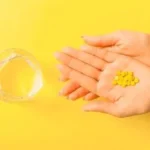


Fisetin is a naturally occurring flavonoid – a type of plant pigment – gaining significant attention for its potential health benefits. Found in small amounts in fruits like strawberries‚ apples‚ and onions‚ supplementing with fisetin allows for much higher‚ potentially therapeutic doses. This article explores fisetin’s mechanisms‚ benefits‚ dosage‚ and safety considerations.
What is Fisetin & How Does it Work?
Fisetin belongs to the flavonol family‚ known for their antioxidant and anti-inflammatory properties. However‚ fisetin’s unique strength lies in its ability to act as a senolytic. Senescent cells are cells that have stopped dividing but don’t die; they accumulate with age and contribute to age-related diseases. Fisetin selectively eliminates these “zombie” cells‚ potentially rejuvenating tissues and improving overall health.
Beyond senolysis‚ fisetin exhibits:
- Antioxidant activity: Neutralizing free radicals and protecting cells from damage.
- Anti-inflammatory effects: Reducing chronic inflammation‚ a root cause of many diseases.
- Neuroprotective properties: Supporting brain health and potentially mitigating neurodegenerative decline.
- Potential metabolic benefits: Improving insulin sensitivity and glucose metabolism.
Potential Health Benefits of Fisetin Supplementation
Healthy Aging & Longevity
By clearing senescent cells‚ fisetin may slow down the aging process and extend healthspan – the period of life spent in good health. Studies suggest potential benefits for age-related conditions like frailty and sarcopenia (muscle loss).
Cognitive Function
Fisetin’s neuroprotective effects and ability to reduce inflammation may improve cognitive function‚ memory‚ and learning. Research is ongoing to explore its potential in preventing or delaying neurodegenerative diseases like Alzheimer’s and Parkinson’s;
Cardiovascular Health
Fisetin may improve heart health by reducing inflammation‚ improving blood vessel function‚ and protecting against oxidative stress. It could potentially lower blood pressure and cholesterol levels.
Metabolic Health
Some studies indicate fisetin can enhance insulin sensitivity‚ improve glucose metabolism‚ and reduce the risk of type 2 diabetes. It may also support healthy weight management.
Dosage & Bioavailability
Optimal fisetin dosage is still being researched. Most studies utilize doses ranging from 100mg to 500mg per day. Bioavailability (how much the body absorbs) is relatively low. Combining fisetin with piperine (black pepper extract) or liposomal delivery systems can significantly enhance absorption.
Safety & Side Effects
Fisetin is generally considered safe‚ with few reported side effects. Some individuals may experience mild digestive upset. It’s crucial to consult with a healthcare professional before starting fisetin supplementation‚ especially if you have existing medical conditions or are taking medications. Fisetin may interact with certain drugs‚ including blood thinners.
Choosing a Fisetin Supplement
Look for supplements from reputable brands that undergo third-party testing for purity and potency. Liposomal fisetin formulations are often preferred due to their enhanced bioavailability.